According to a Dutch professor, angry millennials will save our planet
Jackson Groves has the right idea. The Australian travel influencer with over 320,000 Instagram followers spends his life backpacking around the world trekking through the jungles of Indonesia, jumping off cliffs in Panama and scuba diving in the pristine waters of the Maldives.
In between, Groves – who bears a passing resemblance to Aquaman Jason Momoa – organises ecology cleanups of popular destinations that have suffered from overtourism. Groves' Adventure Handbag movement collaborates with grassroots organisations, with its cleanup events even joined by government officials like Environment Minister for South Australia, David Speirs, who lent a mitt at the recent cleanup of Seacliff Beach in Adelaide.
It's a form of social modelling that Professor Marking van Vugt readily gives his greenish stamp of approval.
The Professor of Evolutionary, Work and Organizational Psychology at Vrije Universiteit Amsterdam was in town recently to give a public lecture organised by The Head Foundation, a Singapore-based recollect tank devoted to issues involving human capital, education, leadership and sustainability in Asia.
In his lecture, Van Vugt spoke about how an understanding of human psychology and human nature can be harnessed to develop intervention strategies to accost environmental issues.
The solution, he says, lies in transforming conspicuous consumption into conspicuous conservation where eco-consciousness is socially rewarded. And millennials like Groves are clearly leading the charge.

"Change will come more than from mass movements rather than the government or private sector. It's the angry millennials who really want to alter the time to come," said van Vugt.
Aroused at what their parents' generation has done to the planet, the 'woke' generation is all about doing things differently.
"The generation before them could become away with polluting the environment and destroying habitats and then they are in protest. And these are the people politicians should pay attention to," the professor added.
Ultimately, though, he believes it's the collective responsibleness of humankind to establish sustainable behavioural alter by being more conscious about the choices we brand.
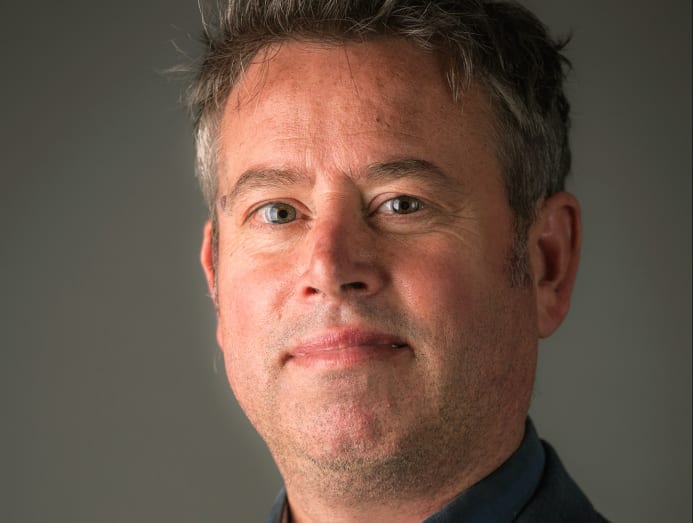
Co-ordinate to van Vugt, there are five psychological biases arising from evolutionary biology and social psychology that go along to influence our environmental behaviours: Valuing personal over commonage outcomes (self-interest); preferring immediate over delayed rewards (brusque-sightedness); valuing relative over absolute status (status); copying the behaviours of others (social fake), and ignoring issues that we cannot run across or feel (sensing).
Addressing some of these biases, for example, could involve something as uncomplicated as encouraging people to appreciate the beauty of the natural world. With a heightened appreciation for nature, they would be less inclined to seek to destroy it or ignore environmental problems. "And they will begin to meliorate understand the importance of preserving species and the surroundings," explained van Vugt.
"Supportive infrastructure too needs to be in place to make eco-friendly choices more socially adequate. Such as offering tax incentives to influence people to purchase a hybrid or electric car and providing enough electrical charging stations to make the transition easy," he said.
Of all five biases, social fake may be the most powerful factor in psychologists' and policy-makers' toolbox today.
"Get important role models and celebrities to prefer the right behaviour and the residuum will well-nigh automatically follow," added van Vugt.
Someone like Jackson Groves possibly.
READ> After makeover, Philippines welcomes tourists back to cleaner, bacteria Boracay
santiagoupostaing.blogspot.com
Source: https://cnalifestyle.channelnewsasia.com/people/how-angry-millennials-will-save-our-planet-instagram-influencer-239126
0 Response to "According to a Dutch professor, angry millennials will save our planet"
Post a Comment